
How Sliding Door Partitions Can Maximize Space in Commercial Buildings
Introduction: The Need for Smarter Space Planning
Commercial real estate in India is becoming increasingly expensive, particularly in metropolitan hubs such as Mumbai, Bengaluru, Delhi NCR, and Hyderabad. As rental costs rise and organizations shift toward agile work environments, space efficiency has become a central component of architectural planning. Businesses are no longer looking at partitions merely as separators; they are seeking flexible systems that improve spatial utilization, enhance aesthetics, and support long-term adaptability.
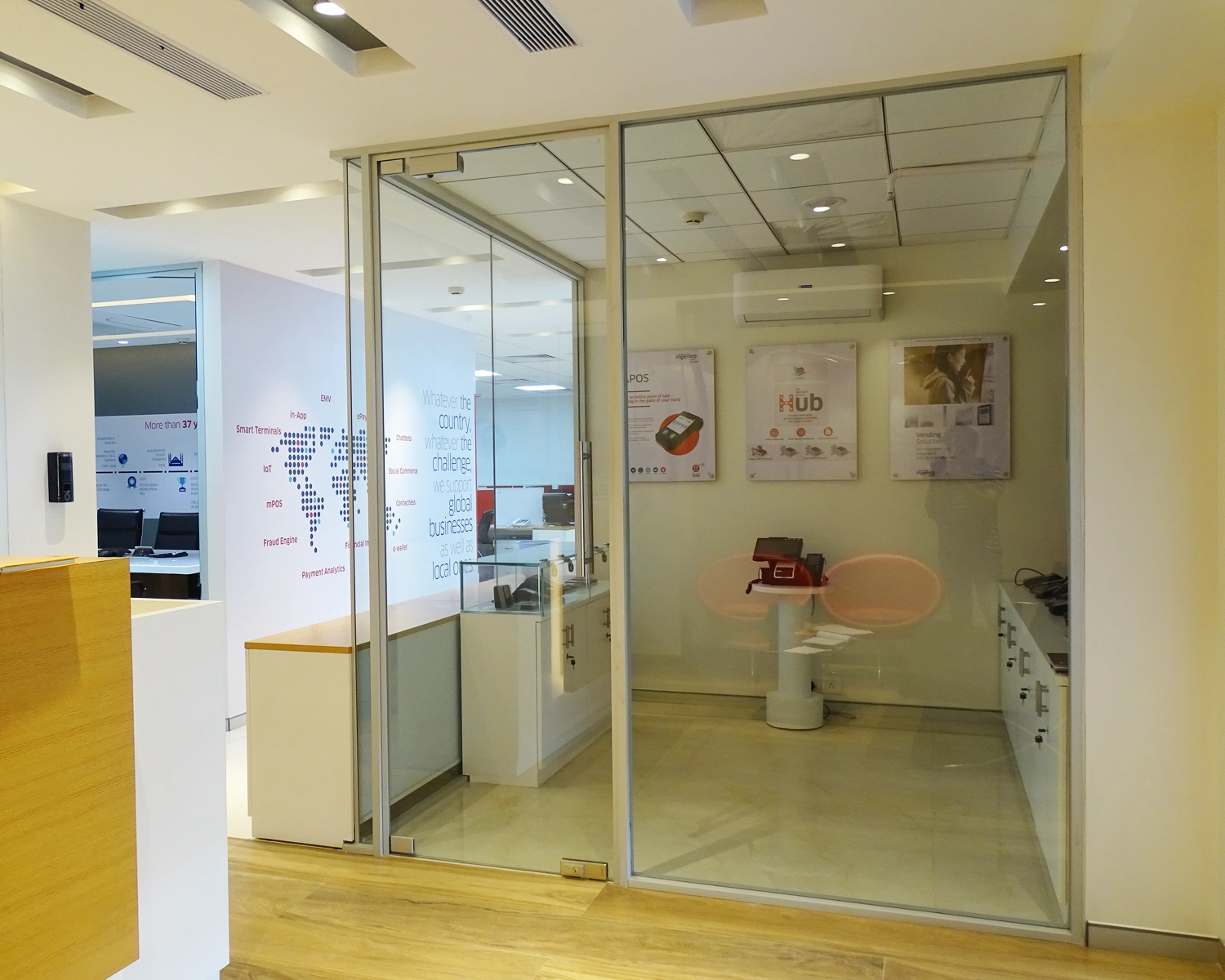
Sliding door partitions have emerged as one of the most effective solutions for maximizing usable space in commercial buildings. Unlike traditional hinged doors or permanent masonry walls, sliding systems offer dynamic functionality without consuming unnecessary floor area.
Eliminating Wasted Floor Space
One of the most overlooked inefficiencies in commercial interiors is the swing radius of conventional doors. Hinged doors require clearance space, often limiting furniture placement and reducing operational flexibility. In compact offices or high-density commercial layouts, this space loss becomes significant.
Sliding door partitions move horizontally along a track, either parallel to the wall or within concealed cavities. By eliminating the need for swing clearance, they immediately free up usable floor area. This allows designers to create more efficient cabin layouts, optimize workstation positioning, and improve circulation flow. Over an entire commercial floor, these incremental savings translate into substantial gains in space utilization.
Supporting Flexible and Evolving Workspaces
Modern commercial buildings must adapt quickly to organizational changes. Departments expand, teams restructure, and collaborative zones evolve. Permanent walls restrict this flexibility and often require disruptive civil work when modifications are needed.
Sliding door partitions integrated into modular or demountable systems provide adaptability without structural alterations. Spaces can be reconfigured with minimal downtime, making them ideal for IT parks, co-working spaces, corporate headquarters, and educational institutions. The ability to adjust spatial layouts without demolition reduces renovation costs and supports long-term operational agility.
Enhancing Natural Light and Visual Openness
Natural light plays a critical role in employee productivity and well-being. Traditional opaque walls block light flow, creating darker interiors and increasing dependence on artificial lighting.
Glass sliding door partitions address this issue by allowing daylight to penetrate deeper into the workspace. They create an open, transparent environment while still maintaining functional zoning. In executive cabins, meeting rooms, and collaborative areas, this balance between openness and privacy improves the overall workplace experience.
Double-glazed sliding systems further enhance this benefit by combining transparency with acoustic insulation. This makes them suitable for boardrooms, consultation rooms, and managerial offices where confidentiality is essential without sacrificing visual continuity.
Improving Acoustic Performance Without Bulk
There is a common misconception that sliding partitions compromise sound insulation. However, engineered sliding systems with precision seals and high-performance glass can achieve strong acoustic ratings. When properly installed, they minimize sound transmission between adjacent spaces while maintaining sleek aesthetics.
In commercial buildings where privacy is crucial—such as legal offices, healthcare facilities, or corporate boardrooms—acoustic sliding partitions offer a practical and visually appealing solution. They eliminate the need for thick masonry walls while delivering comparable performance in many applications.
Elevating Corporate Aesthetics
In contemporary commercial design, aesthetics directly influence brand perception. Businesses increasingly prefer interiors that reflect transparency, sophistication, and innovation.
Sliding glass partitions create clean lines and a minimalist appearance that aligns with modern architectural trends. Slim aluminium profiles, frameless glass options, and customized finishes allow designers to integrate these systems seamlessly into diverse interior themes. The result is a workspace that feels premium, organized, and future-ready.
For commercial developers and corporate tenants, this refined aesthetic can significantly enhance the overall appeal of the property.
Long-Term Cost Efficiency and Sustainability
While modular sliding partition systems may require a higher initial investment compared to drywall constructions, their lifecycle cost advantages are substantial. They are reusable, easier to dismantle, and quicker to reinstall during office relocations or renovations. This reduces recurring civil expenses and minimizes construction waste.
From a sustainability perspective, modular sliding systems contribute to green building objectives by lowering material waste and supporting recyclable components. As more Indian commercial developments pursue environmentally responsible construction practices, such systems align well with long-term sustainability goals.
Why Sliding Door Partitions Are a Strategic Choice
Sliding door partitions are more than architectural elements; they are strategic investments in spatial efficiency and operational flexibility. By maximizing usable floor area, enhancing natural light distribution, supporting acoustic privacy, and enabling rapid reconfiguration, they address multiple challenges faced by modern commercial buildings.
For organizations seeking intelligent workspace solutions, partnering with experienced manufacturers ensures performance and durability. Companies like Vantage India Pvt Ltd specialize in precision-engineered modular partition systems tailored to corporate, healthcare, and institutional environments.
As commercial architecture evolves toward adaptable, high-performance environments, sliding door partitions are becoming an essential design element. They optimize space without compromising functionality, enhance visual appeal while maintaining privacy, and provide long-term flexibility in dynamic business settings.
For commercial buildings aiming to balance efficiency, aesthetics, and sustainability, sliding door partitions represent a forward-thinking solution that aligns with the future of workspace design.
